Normative Practices in Chinese Artistry
A workshop at Duke Kunshan University · 26–27 June 2026 · organised by Yili Zhou
This small, discussion-oriented workshop brought together work in aesthetics, ethics, and Chinese philosophy around one question: how should we understand the relation between artistic value, cultural tradition, embodied practice, aesthetic perception, and moral cultivation? The four papers approached normativity in Chinese art practice from different angles — cross-cultural aesthetic judgment, calligraphy and embodied character, perception and xiang (象), and relationship between moral cultivation and music performance.
The public paper session on 26 June was followed by a closed-door works-in-progress session on 27 June, devoted to developing the participants’ ongoing projects. Each paper ran 30 minutes and was followed by 30 minutes of discussion. Recordings of the 26 June session are below; the works-in-progress session was not recorded.
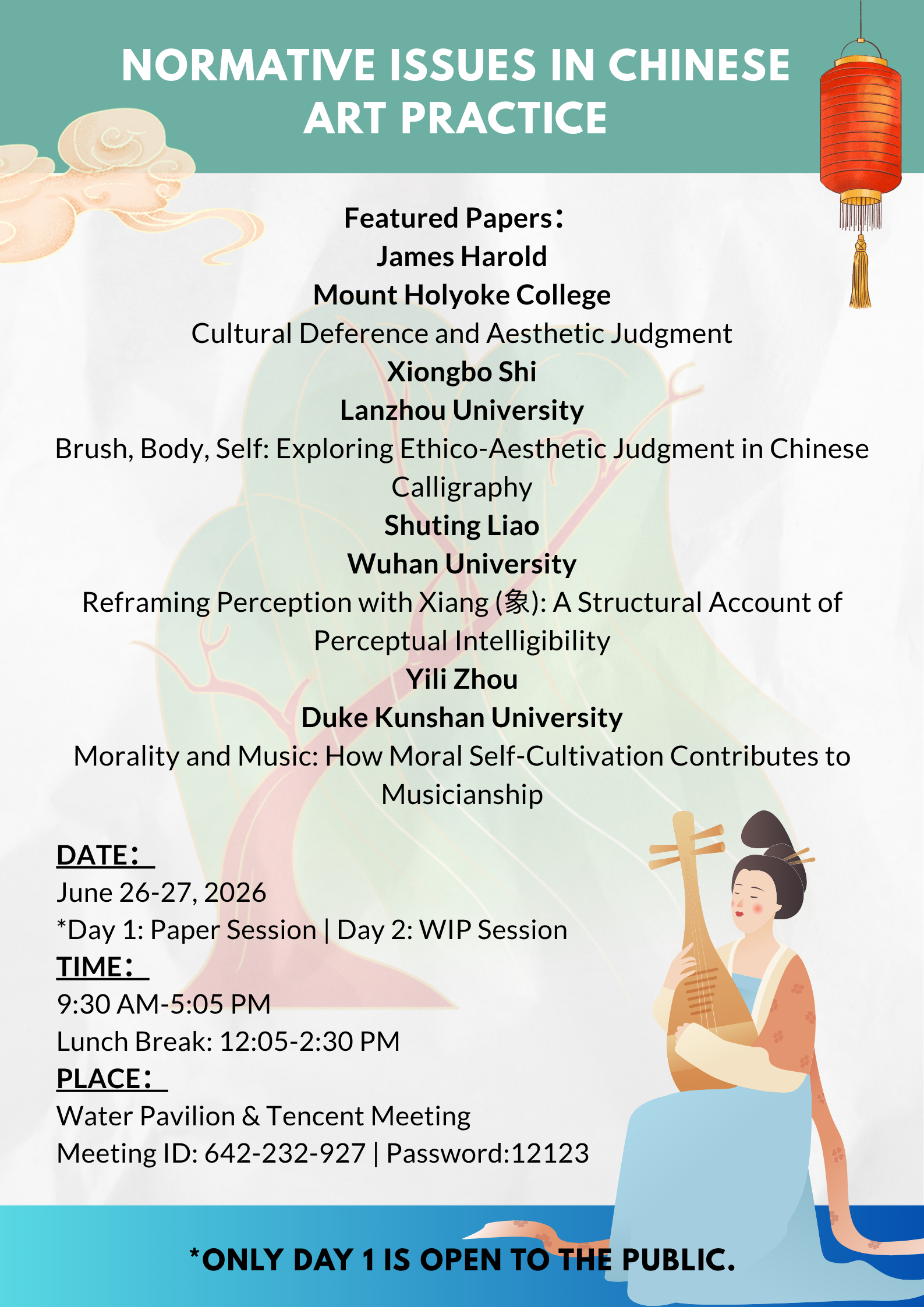
Programme
26 June 2026 — Paper session (open to the public, in person and online)
- Welcome and opening remarks — Yili Zhou (Duke Kunshan University)
- James Harold (Mount Holyoke College), “On Cultural Deference in Aesthetic Judgment”
- Xiongbo Shi 史雄波 (Lanzhou University), “Brush, Body, Self: Exploring Ethico-Aesthetic Judgment in Chinese Calligraphy”
- Shuting Liao 廖舒婷 (Wuhan University), “Reframing Perception with Xiang (象): A Structural Account of Perceptual Intelligibility”
- Yili Zhou 周奕李 (Duke Kunshan University), “Morality and Music: How Moral Self-Cultivation Contributes to Musicianship”
27 June 2026 — Works-in-progress session (closed-door, not recorded)
- James Harold, “The Artist and Ren 仁”
- Xiongbo Shi, “From Writing to Art: On the Ontological Grounds of Chinese Calligraphy as Art”
- Shuting Liao, “Rethinking Aesthetic Judgment and a Further Question on Yin (音)”
- Yili Zhou, “Comparing Lintie (临帖) in Chinese Calligraphy with Score-Following in Classical Music Performance”
In the news
Speakers
- James Harold (Mount Holyoke College)
- Xiongbo Shi 史雄波 (Lanzhou University) — PhilPapers · ORCID · faculty page
- Shuting Liao 廖舒婷 (Wuhan University) — “Xiang 象 as a Dynamic Perceptual Framework”, British Journal of Aesthetics
- Yili Zhou 周奕李 (Duke Kunshan University)
Presentation Recordings — 26 June
Welcome and opening remarks
Yili Zhou, Duke Kunshan University
On Cultural Deference in Aesthetic Judgment
James Harold, Andrew W. Mellon Professor of Philosophy, Mount Holyoke College
Abstract. Cultural deference says that the aesthetic merit of a work of art is determined at least partly by the aesthetic norms dominant in the culture or historical period in which the work was produced. This paper evaluates arguments for and against cultural deference, and argues that while moral reasons favor deference, aesthetic reasons count against it. Three arguments in favor of cultural deference are considered, but only one stands up to scrutiny: an argument that refusing to defer to local norms is unjust. However, autonomy in making one’s own aesthetic judgments speaks against cultural deference. The final section considers different ways in which the moral argument in favor of cultural deference can be balanced against the aesthetic argument against it. The paper endorses a contextualist approach, according to which the details of individual cases will determine whether to engage in cultural deference.
Brush, Body, Self: Exploring Ethico-Aesthetic Judgment in Chinese Calligraphy
Xiongbo Shi 史雄波, Lanzhou University
Abstract. This article examines ethico-aesthetic judgment in traditional Chinese calligraphy criticism. Focusing on the long-standing “human-calligraphy connection”, it argues that judgments of calligraphy are neither purely formalist assessments of visual beauty nor external moral evaluations imposed upon art. Rather, they belong to a unified model in which bodily discipline, cultivated disposition, and moral character are internally related. The paper first analyzes physiological metaphors such as bone, flesh, and blood, showing how calligraphic form is apprehended as embodied action made visible. It then examines the moral dimension of calligraphic criticism, clarifying how the evaluation of brushwork extends toward the calligrapher’s inner self without collapsing aesthetic judgment into simple moralism. Finally, it considers calligraphy as a practice of self-cultivation, through which bodily control, perceptual discrimination, and ethical dispositions are formed together. The article suggests that Chinese calligraphy criticism offers a distinctive conception of aesthetic judgment grounded in embodiment, cultivation, and self-formation.
Reframing Perception with Xiang (象): A Structural Account of Perceptual Intelligibility
Shuting Liao 廖舒婷, Wuhan University
The abstract and recording for this talk are not posted here, as the paper is currently under review.
Morality and Music: How Moral Self-Cultivation Contributes to Musicianship
Yili Zhou 周奕李, Duke Kunshan University
Abstract. In both Western and Chinese cultural traditions, philosophers perennially discuss how music is not separable from our moral lives. For instance, both Plato and Confucius argue that music influences our inner lives: great music can establish listeners’ psychic harmony and restore their moral states. However, rarely do Western philosophers ask whether having moral dispositions promotes one’s sensibility to music. In this paper, I explore how one’s musicianship may benefit from moral self-cultivation and developing virtuous dispositions. I investigate two methods: one involves a comparison between moral extension and emotional substitution, a soft skill of musical performances, and the other discloses how aesthetic standards are intertwined with ethical standards in a Chinese cultural context. The first method relies on a shared way of thinking that underlies moral cultivation and music performance; the second method explores how engaging in cultivating moral dispositions is indispensable in the ideal Chinese lute performances. While the second method focuses primarily on Chinese aesthetics as an example, it encourages others’ explorations of similar parallels in other cultural traditions.
The four available recordings are collected in one YouTube playlist: Normative Practices in Chinese Artistry — DKU, June 2026.
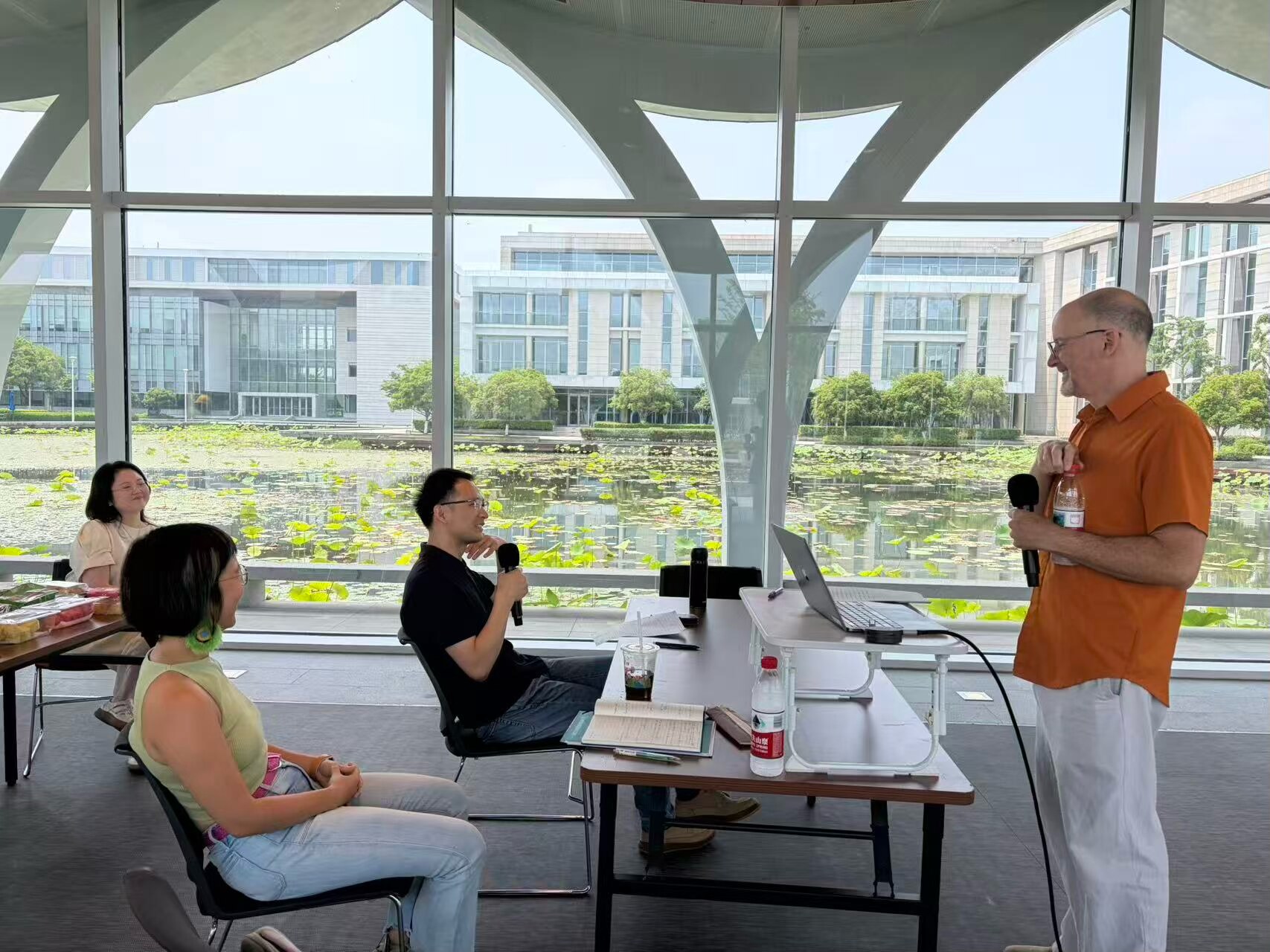
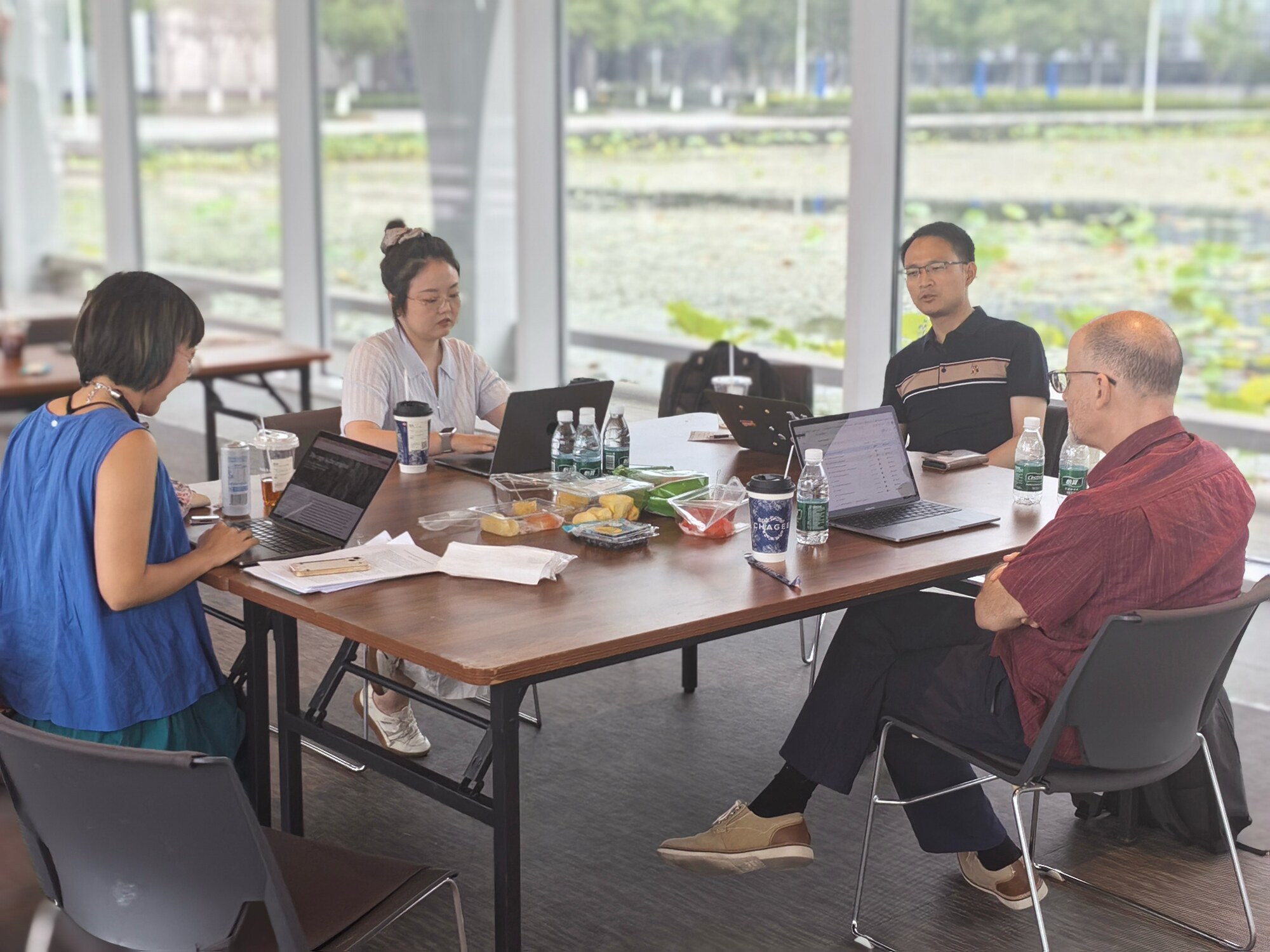
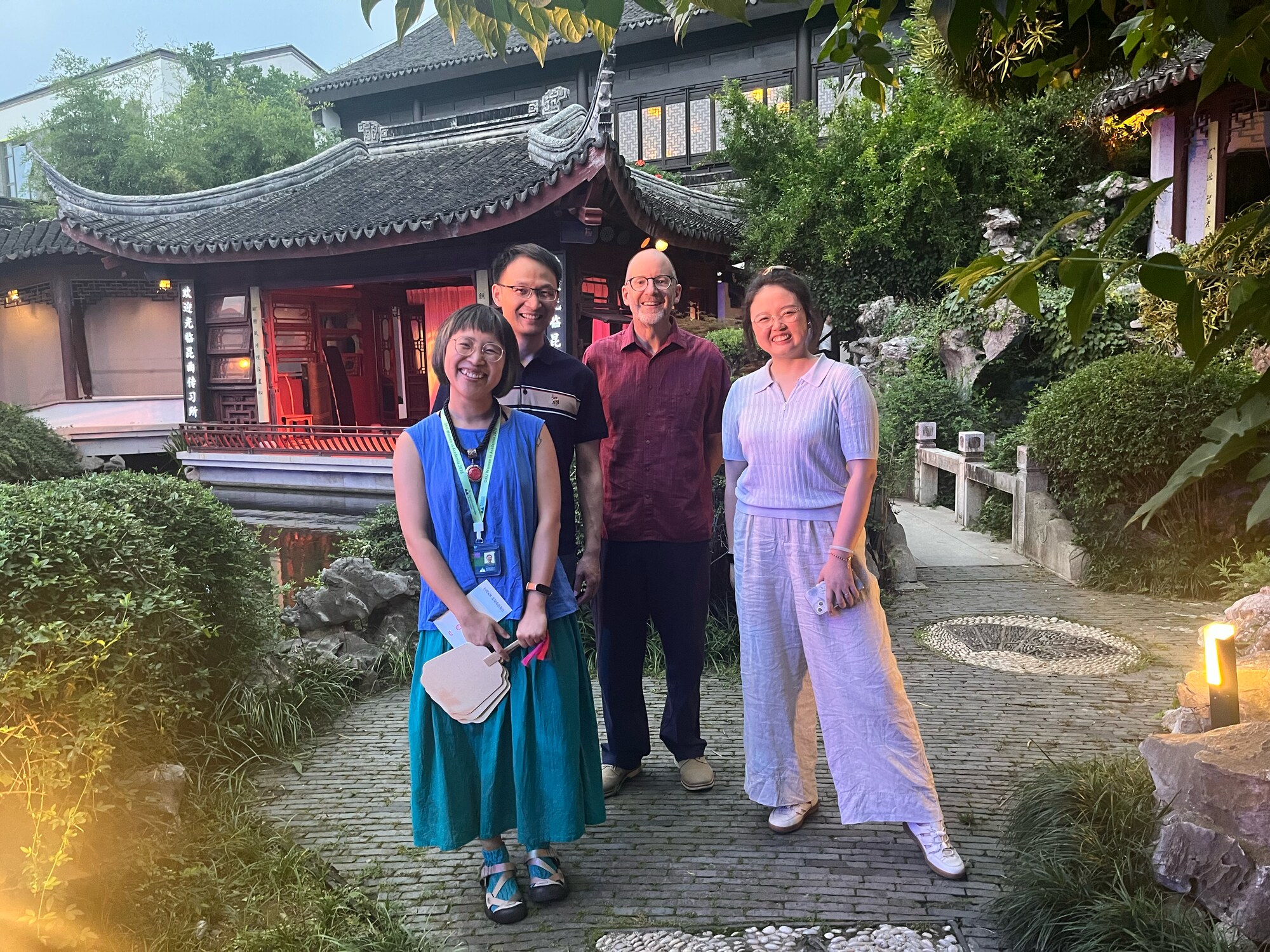
Photographs





Citing this workshop
Zhou, Yili (org.), Normative Practices in Chinese Artistry, Duke Kunshan University, 26–27 June 2026. Recordings and programme: https://yilizhou.org/workshops/normative-practices-in-chinese-artistry/

